"A cartridge lit the fire, but discontent fueled the blaze."
The revolt was ignited by a mix of political, economic, military, and religious grievances. The Doctrine of Lapse, high taxation, and the introduction of greased cartridges deeply offended Indian sepoys and civilians alike, setting the stage for rebellion..
The revolt is known by several names: the Sepoy Mutiny (by the British Historians), the Indian Mutiny, the Great Rebellion (by the Indian Historians), the Revolt of 1857, the Indian Insurrection, and the First War of Independence (by Vinayak Damodar Savarkar).
"From barracks to battlefields, the cry was one: freedom."
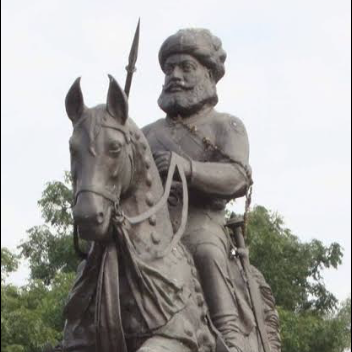
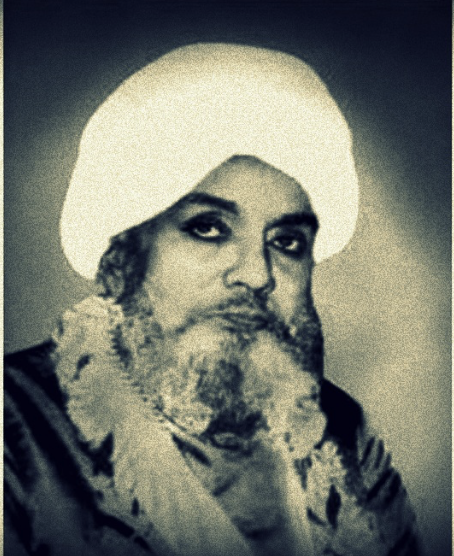
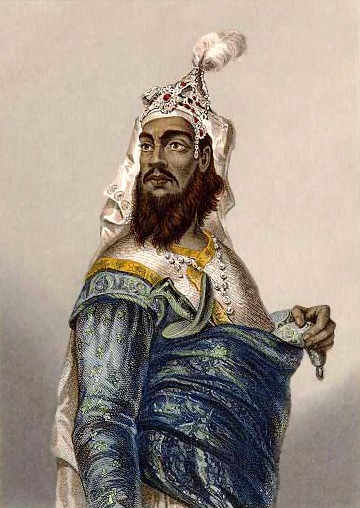
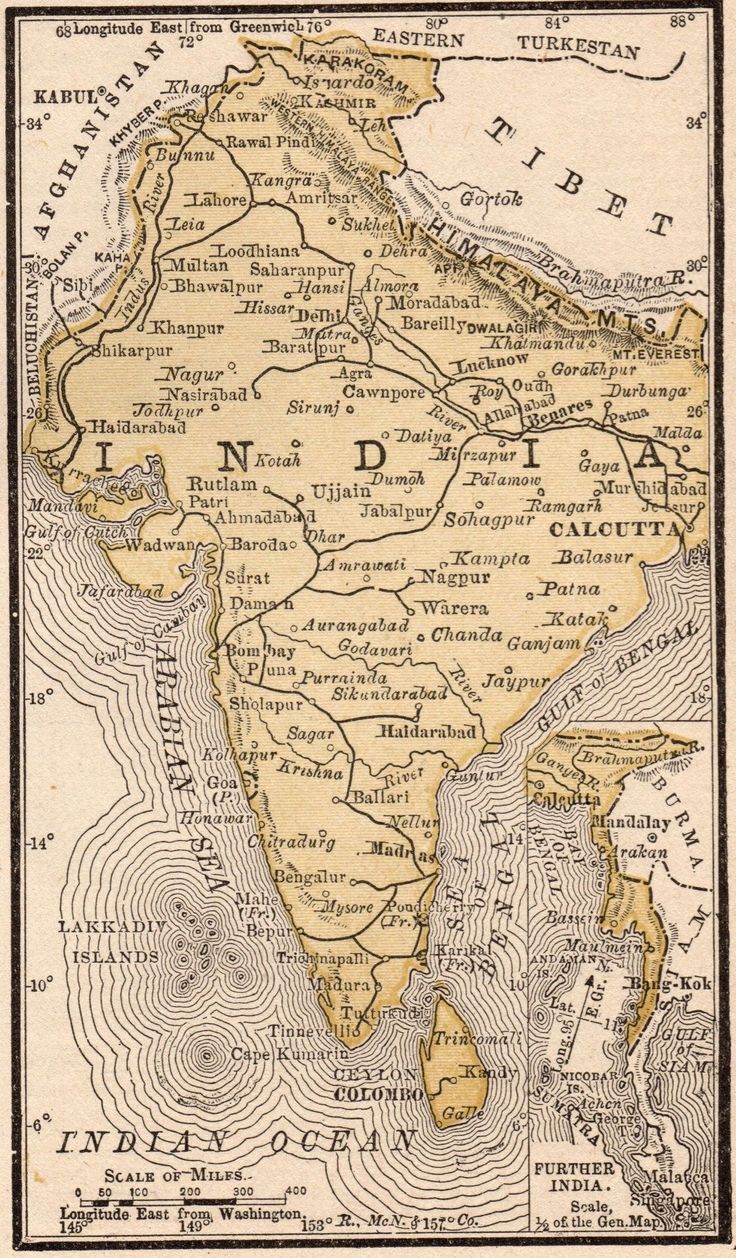
Major uprisings occurred in Delhi, Kanpur, Lucknow, Jhansi, and Gwalior. Leaders like Rani Lakshmibai, Nana Sahib, and Tantia Tope galvanized local forces, making it a nationwide resistance against British dominance.
“A nation stirred, an empire shaken — the spark that lit India's fight for freedom.”
The Indian Mutiny of 1857-59 was a widespread but unsuccessful rebellion against the rule of British East India Company in India which functioned as a sovereign power on behalf of the British crown.
"The revolt failed, but the idea of independence endured."
Though ultimately crushed, the revolt led to the dissolution of the East India Company in 1858 and the direct rule of India by the British Crown. It inspired future freedom fighters and sowed seeds of nationalism..
“The rebellion failed, but its echo forged the soul of a nation.”
Though the revolt was crushed by 1859, it shook British confidence and altered colonial policies. The East India Company was dissolved, and the British Crown took direct control. Reforms in military, governance, and policies followed. For Indians, it became a symbol of resistance and the first united act of defiance — inspiring future nationalists and freedom movements in the 20th century.
"A cartridge lit the fire, but discontent fueled the blaze."
The revolt was ignited by a mix of political, economic, military, and religious grievances. The Doctrine of Lapse, high taxation, and the introduction of greased cartridges deeply offended Indian sepoys and civilians alike, setting the stage for rebellion..
The revolt is known by several names: the Sepoy Mutiny (by the British Historians), the Indian Mutiny, the Great Rebellion (by the Indian Historians), the Revolt of 1857, the Indian Insurrection, and the First War of Independence (by Vinayak Damodar Savarkar).
"From barracks to battlefields, the cry was one: freedom."
Major uprisings occurred in Delhi, Kanpur, Lucknow, Jhansi, and Gwalior. Leaders like Rani Lakshmibai, Nana Sahib, and Tantia Tope galvanized local forces, making it a nationwide resistance against British dominance.
“A nation stirred, an empire shaken — the spark that lit India's fight for freedom.”
The Indian Mutiny of 1857-59 was a widespread but unsuccessful rebellion against the rule of British East India Company in India which functioned as a sovereign power on behalf of the British crown.
"The revolt failed, but the idea of independence endured."
Though ultimately crushed, the revolt led to the dissolution of the East India Company in 1858 and the direct rule of India by the British Crown. It inspired future freedom fighters and sowed seeds of nationalism..
“The rebellion failed, but its echo forged the soul of a nation.”
Though the revolt was crushed by 1859, it shook British confidence and altered colonial policies. The East India Company was dissolved, and the British Crown took direct control. Reforms in military, governance, and policies followed. For Indians, it became a symbol of resistance and the first united act of defiance — inspiring future nationalists and freedom movements in the 20th century.